What Creative Coding Actually Is
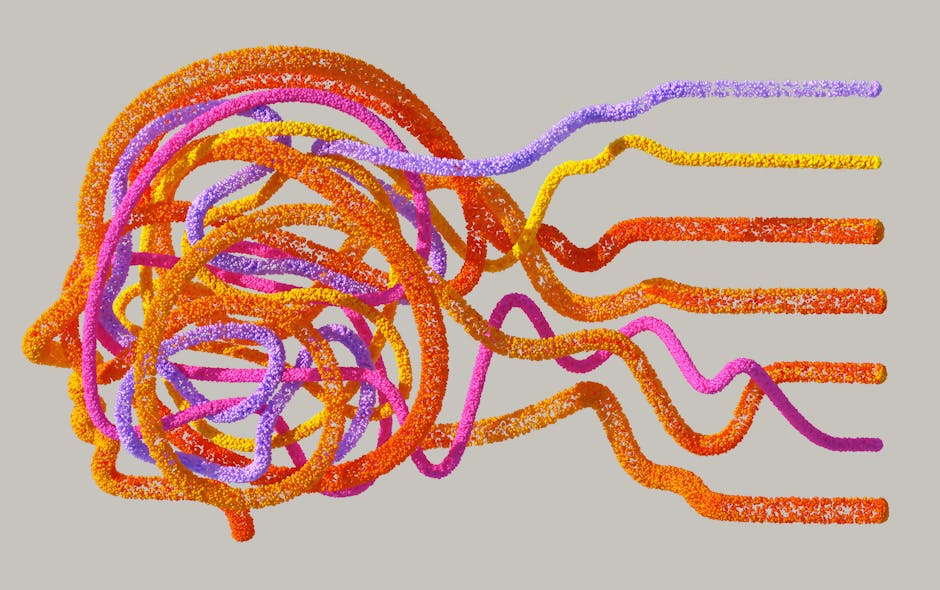
Creative coding isn’t about building apps, fixing bugs, or shipping features. It’s not about efficiency. It’s about using code the way a painter uses a brush or a musician uses sound exploring ideas, emotion, and interaction. In short, it’s coding driven by expression instead of execution.
Unlike traditional development, which is goal oriented and often locked inside clear guidelines, creative coding embraces uncertainty. It welcomes play, surprise, and iteration. There’s no right answer only what resonates. That shift in mindset is what makes it so appealing to artists.
Visual artists, dancers, musicians they’re all increasingly using algorithms to create, not just optimize. Whether they’re generating otherworldly images in real time or building reactive installations that respond to sound, code is the new collaborator. These artists aren’t trying to go viral or scale they’re trying to say something.
Want to see it in action? Explore more examples and insights here.
Tools of the (Digital) Trade
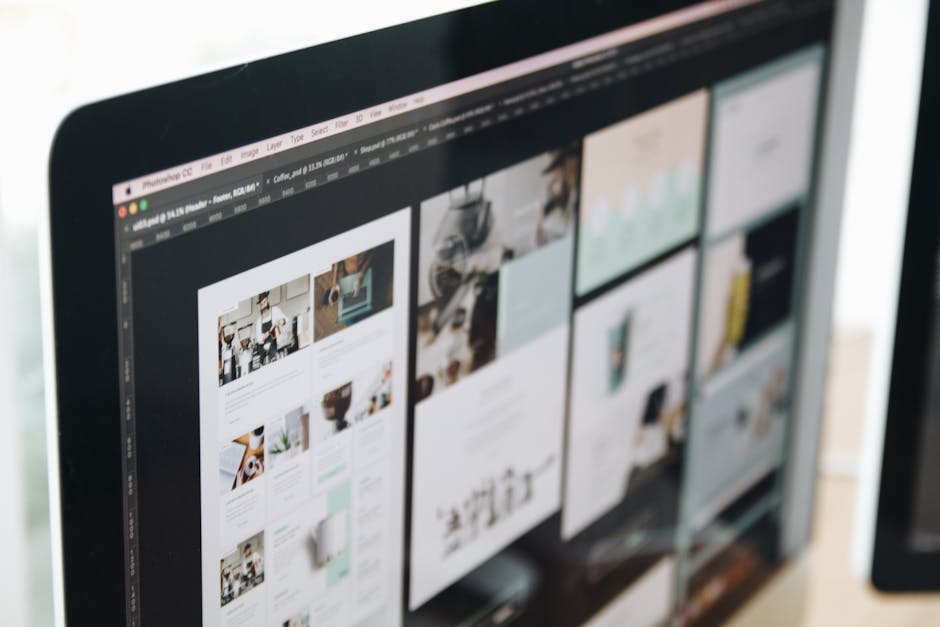
Creative coding doesn’t happen in a vacuum. It’s fueled by a growing toolbox of open platforms that blur the line between programming and play. For those starting out or building full scale installations, four names come up everywhere: Processing, p5.js, TouchDesigner, and openFrameworks.
Processing is the old guard built for artists, by artists. It strips away the noise of traditional programming and gives you a fast way to sketch interactive visuals. p5.js is its web native cousin. Same mindset, same approach, but runs in any browser. If you want shareable, access anywhere code, start here.
For more complex, real time work, especially in visuals, TouchDesigner is the go to. It’s node based, reactive, and perfect for live performance and projection mapping. It does carry a steeper learning curve but the payoff is big. Then there’s openFrameworks: a C++ powerhouse for folks who want deep control with fewer limitations. Think of it as the Swiss Army knife for coders who know what they’re doing.
What ties all these tools together? Accessibility. Most are open source, community built, and well documented. They’re as much about learning as they are about output. And as tech starts driving more culture than ever, code literacy becomes less optional. In the same way that oil paint or clay once defined an artist’s toolkit, today’s creative canvas is editable, scriptable, and often runs at 60 frames per second.
Creative Coding in Action
Creative coding isn’t stuck in concept it’s out in the wild, shaping everything from gallery walls to festival stages. At the frontlines are interactive installations, turning passive viewers into participants. Think immersive light sculptures that shift based on movement, or public art pieces powered by real time weather data. They’re not just beautiful. They respond, evolve, and engage.
Then there’s generative media audio and visuals designed by code that can shift infinitely. Artists use algorithms to compose music that never repeats or visuals that react on the fly to audience input. Whether it’s for meditation apps or glitchy visuals at music sets, this work blends artist intention with machine unpredictability.
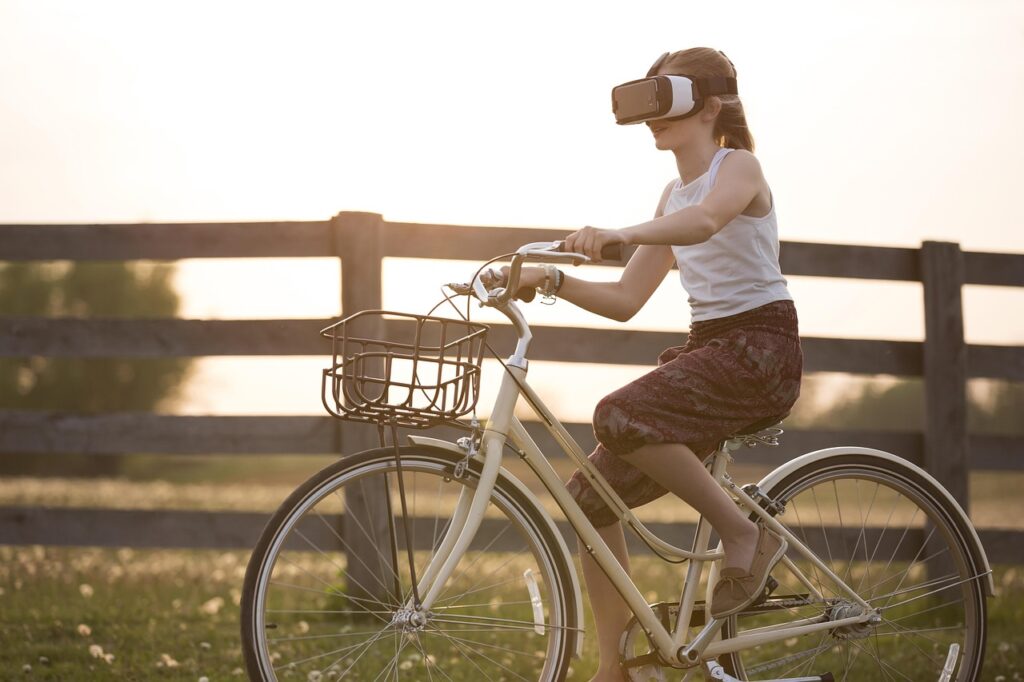
Live performances are also being transformed. Visuals triggered by MIDI signals, real time camera feeds processed into abstract animations, AR filters that evolve during a concert creative coders are turning gigs into multi sensory experiments. And when immersive tech meets code, you get experiences like VR sculptures you can walk through, or AI generated avatars performing live alongside human musicians.
Plenty of traditional artists are jumping in. Zach Lieberman moved from drawing to creating visual poetry with code. Refik Anadol blends AI and architecture. And Sougwen Chung moved from brushstrokes to building robots that paint with her. They’re not abandoning art they’re bending tech to their creative will.
Want to explore more ways creators are using code to rewire art? Dive deeper into creative coding explored.
Why It Matters Now More Than Ever
Technology doesn’t have to feel cold. Through creative coding, we’re seeing a shift machines aren’t just tools, they’re collaborators. Artists and developers are using code not just to solve problems, but to evoke feeling. It’s a way to humanize the digital, to make pixels resonate emotionally. That matters more than ever in a screen saturated world.
One powerful outcome: creative coding helps merge STEM and the arts into something flexible and future ready. This isn’t just about aesthetics. It’s about designing experiences interactive exhibits, generative visuals, immersive installations that rethink how we engage with tech. Tools like TouchDesigner or p5.js aren’t just for coders; they’re building blocks for hybrid creators who speak both visual and computational languages.
And it’s catching on in education, too. Schools, design programs, and even engineering departments are pushing students to blend technical chops with creative instincts. Not just to make art, but to think differently. To structure interfaces that feel smoother, to build environments that respond intuitively, to explore stories with data.
Ultimately, creative coding isn’t a niche trend it’s a shift toward more personal, more poetic digital design. Expect it to shape the future of UIs, media art, live performance, and more. It’s not just about writing cleaner scripts it’s about writing code that feels alive.