
I need to tell you something important right up front: you can’t actually remove the entire abdomen.
When people search for this, they’re usually trying to understand a specific surgery they or someone they know is facing. And the medical terms can sound scary.
Here’s what’s real: doctors perform surgeries that remove parts of the abdominal wall or organs inside the abdomen. These are serious procedures with specific names like abdomectomy (removal of abdominal wall tissue) or organ removal surgeries.
I’m going to walk you through what these surgeries actually involve. Not the confusing medical jargon version. The version that helps you understand what’s happening and why.
This article covers the main types of abdominal surgeries, why doctors recommend them, and what the process looks like from start to finish.
You need to know this isn’t medical advice. This is information to help you ask better questions when you talk to your doctor. Every surgery is different because every patient is different.
What you’ll learn here gives you a foundation. The real answers about your specific situation come from sitting down with a qualified surgeon who knows your medical history.
Let’s clear up the confusion and get you the facts.
Defining the Procedure: What Does ‘Removing the Abdomen’ Mean?
I’ll never forget the look on my friend Sarah’s face when her surgeon said she needed “abdominal surgery.”
She called me in a panic. “They’re removing my abdomen. How do I live without an abdomen?”
Here’s what I had to tell her.
There’s no such thing as a procedure that removes your entire abdomen. The term gets thrown around, but it doesn’t mean what most people think it means.
When doctors talk about “removing the abdomen,” they’re actually referring to one of three very different operations.
Organ Resection
This is what happens most of the time. A surgeon removes a specific organ (or part of one) from inside your abdominal cavity.
Your abdomen stays right where it is.
I’ve watched several people I know go through these procedures:
- Colectomy removes part or all of your colon
- Gastrectomy takes out your stomach (or a portion of it)
- Hepatectomy removes sections of your liver
Sarah? She needed a colectomy. NOT an abdomectomy. Her abdomen was staying put.
Abdominal Wall Resection
Sometimes surgeons need to remove the wall itself. We’re talking about skin, fat, muscle, and the connective tissue called fascia.
This usually happens with soft tissue cancers or serious trauma. The reconstruction afterward can get complicated, but it’s doable.
Abdominal Exenteration
This one’s rare. Really rare.
Surgeons remove multiple organs and structures from your abdomen and pelvis. It’s reserved for advanced cancers that haven’t spread beyond the region (because if they’ve spread, this won’t help).
I won’t sugarcoat it. This is about as serious as surgery gets.
But here’s my point.
When someone says you need abdominal surgery, ask them EXACTLY what they mean. Which organ? Which part? What stays and what goes?
Because “removing the abdomen” could mean a hundred different things.
And knowing the difference? That’s everything.
Medical Reasons for Abdominal Resection Surgery (Indications)
Ever wonder what it takes for a surgeon to recommend removing part of your abdomen?
It’s not a decision anyone makes lightly.
Abdominal resection surgery (sometimes called an abdomectomy) happens when doctors need to remove tissue, organs, or parts of the abdominal wall. And the reasons are usually serious.
Cancer is the main driver. Colon cancer, ovarian cancer, stomach cancer, and certain sarcomas top the list. The goal is simple but challenging: get the entire tumor out with clear margins around it. That means removing enough healthy tissue to make sure no cancer cells get left behind.
But cancer isn’t the only reason.
Have you ever thought about what happens when someone suffers catastrophic trauma? A severe car accident or industrial injury can damage organs or the abdominal wall so badly that repair isn’t possible. Sometimes removal is the only option.
Then there are the life-threatening infections. Necrotizing fasciitis (yes, the flesh-eating bacteria you’ve heard about) can destroy tissue fast. Same with mesenteric ischemia, where blood flow to the intestines gets cut off and the tissue dies. In these cases, removing the affected area can save your life.
Inflammatory bowel disease also plays a role. Most people with Crohn’s disease or ulcerative colitis manage with medication. But severe cases that don’t respond to treatment? They might need part or all of the colon removed.
The common thread here is that these procedures happen when the risk of not operating outweighs the risk of surgery itself.
The Surgical Journey: A General Overview
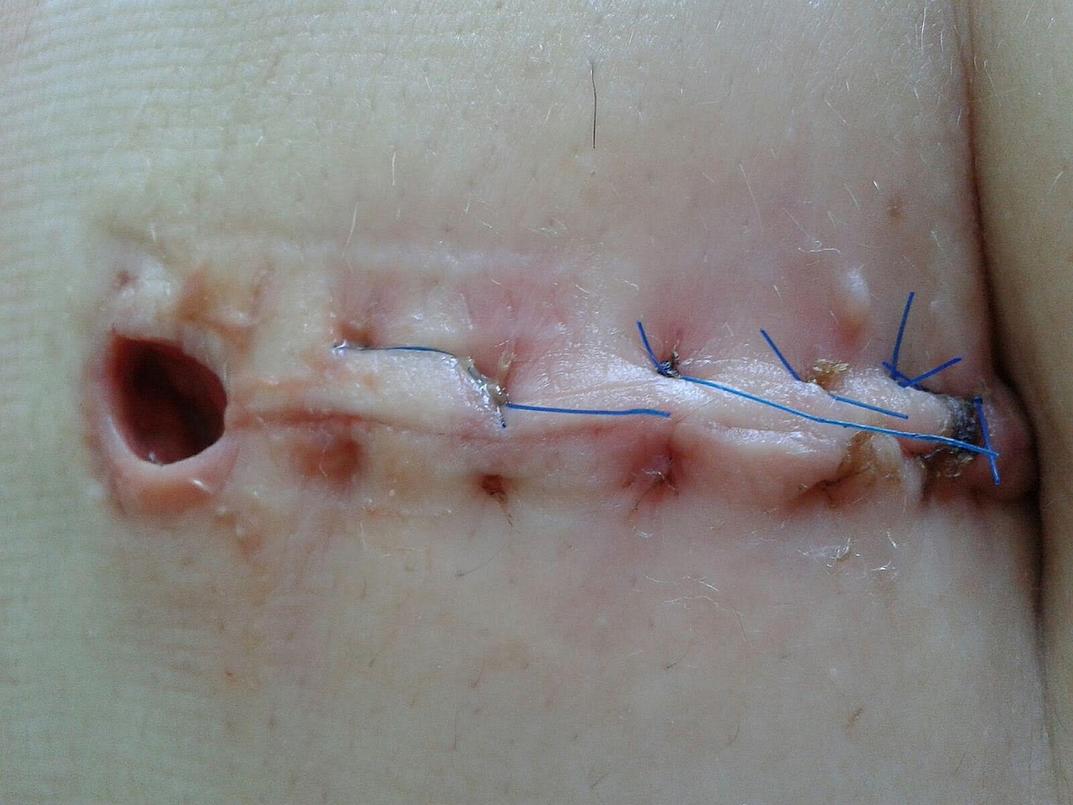
Let me walk you through what actually happens during an abdomectomy.
Most people have no idea what to expect. They show up for their first consultation with a head full of questions and leave with even more.
Before You Ever Enter the Operating Room
Your surgical team will map everything out first. That means CT scans and MRIs to see exactly what they’re working with. You’ll sit down with your surgeon and talk through the risks. Not just the scary stuff, but the real numbers.
You’ll also work on getting your body ready. Nutrition matters more than you think (your body needs fuel to heal). These conversations take time because this isn’t a simple procedure.
What Happens During Surgery
You’ll be under general anesthesia. You won’t feel or remember anything.
The surgery itself is complex. We’re talking hours, not minutes. Your surgical team includes more people than you’d expect. Surgeons, anesthesiologists, and specialized nurses all working together.
I won’t get into the graphic details. Just know that this is serious work that requires serious expertise.
Right After Surgery
You’ll wake up in the ICU. That’s standard for this type of operation.
The first few hours are all about monitoring. Your team watches your vitals closely. They manage your pain and make sure your breathing and circulation stay stable.
This is when your body starts the hard work of recovery.
Recovery and Life After a Major Abdominal Procedure
The surgery is over.
Now comes the part nobody really prepares you for.
I’m talking about the weeks and months after an abdomectomy when your body is trying to figure out how to work again. When you’re wondering if you’ll ever feel normal.
Some doctors will tell you recovery is just about following instructions and waiting it out. That if you rest enough and do what you’re told, everything will fall into place on its own.
But that’s not the whole story.
Recovery isn’t passive. It’s work. And pretending otherwise just sets you up for frustration when things don’t go as smoothly as you expected.
What Happens in the Hospital
You’ll start in the ICU. That’s standard after major abdominal surgery.
The first few days are about monitoring. You’ll have drains coming out of your abdomen to remove excess fluid. These usually stay in for three to five days, depending on how much drainage there is.
Walking happens sooner than you think. Most patients take their first steps within 24 hours of surgery (even though it feels impossible at the time).
Food comes back slowly. You’ll start with ice chips, then clear liquids, then soft foods. Your digestive system needs time to wake up after being handled during surgery.
Once you’re stable and the drains are out, you move to a regular surgical floor. That’s when physical therapy really begins.
The Long Haul at Home
Leaving the hospital doesn’t mean you’re healed.
Wound care becomes part of your daily routine. You’ll need to keep incision sites clean and watch for signs of infection. Some people heal in six weeks. Others take three months or more.
Your diet will change. Depending on what was removed, you might need to avoid certain foods permanently. High-fiber foods can be tough if part of your colon was taken out. You’ll work with a dietitian to figure out what your body can handle now.
Physical therapy isn’t optional. Your core strength is gone after abdominal surgery. Simple things like getting out of bed or standing up straight require muscles that just got cut through.
You rebuild that strength one session at a time.
Living with an Ostomy
Here’s what nobody wants to talk about but needs to hear.
If your colon or bladder was removed, you might have a stoma. That’s an opening in your abdomen where waste leaves your body into a bag you wear outside.
Is it what you imagined for your life? Probably not.
But it’s also not the end of everything. People with ostomies work, travel, exercise, and live full lives. The adjustment period is real, though. You’ll need to learn how to change the bag, care for the stoma, and deal with the emotional weight of such a visible change to your body.
Ostomy nurses teach you the technical stuff. Support groups help with everything else.
Your Mental Health Matters Too
Physical recovery is only half of it.
Your body looks different now. It works differently. That messes with your head in ways you can’t predict until you’re living it.
I’ve seen people skip counseling because they think they should just tough it out. That asking for help means they’re weak or ungrateful to be alive.
That’s garbage.
Talking to a therapist who understands post-surgical trauma can help you process what happened. Patient support groups connect you with people who actually get it because they’ve been through it too.
Recovery isn’t linear. Some days you’ll feel strong. Other days you’ll wonder if you’ll ever feel like yourself again.
Both are normal.
Understanding the Risks and Potential Complications
Let me be honest with you.
Every surgery comes with risks. And if a surgeon tells you otherwise, find a different surgeon.
I’m not here to sugarcoat this. An abdomectomy is major surgery, and you need to know what you’re getting into.
The standard stuff applies. Bleeding. Infection. Blood clots that can travel to your lungs. Bad reactions to anesthesia. These happen with any operation, and pretending they don’t exist won’t help you prepare.
But here’s what concerns me more.
The abdominal cavity is crowded. Your surgeon is working around your intestines, blood vessels, and other organs. Sometimes things get nicked. It happens.
Anastomotic leaks are the big one. When your intestines get reconnected, that connection needs to heal. If it doesn’t seal properly, you’ve got digestive contents leaking into your abdomen. That’s a serious problem that often means another surgery.
Then there’s the long game. Scar tissue (doctors call it adhesions) can form inside your belly. Years later, it might cause bowel obstructions. I’ve seen patients deal with this a decade after their original procedure.
Hernias can develop at incision sites too. Your abdominal wall gets weakened, and sometimes it doesn’t hold up the way it should.
Look, I’m not trying to scare you off. I just think you deserve the truth before you sign any consent forms.
Navigating Your Path Forward with a Medical Team
You came here looking for answers about surgical procedures that remove part or all of the abdomen.
I want to be clear about what this means. We’re talking about serious operations like organ resections or abdomectomy procedures. These aren’t simple surgeries.
The medical terms can feel overwhelming. I get it.
When you’re facing something this significant, the uncertainty hits hard. You’re trying to understand what’s happening to your body while doctors use language that feels like a foreign dialect.
Here’s what matters most: clear communication with your medical team.
The information you’ve learned here gives you a foundation. You can now ask better questions and understand the answers you get back.
Your surgeon needs to hear your concerns. Your healthcare providers should explain everything in terms that make sense to you.
This is your body and your decision.
Schedule that conversation with your surgical team. Write down your questions beforehand so you don’t forget them when you’re sitting in the office. Ask about your specific situation because every case is different.
Trust comes from understanding. Understanding comes from asking the right questions.
Your next step is simple: talk to your medical team and get the personalized answers you need.