

Radiant heating has grown from a niche luxury to a staple modern heating solution across North America. By directly transferring heat through floors, walls, or baseboards via hydronics (water tubing) or electric elements, radiant systems deliver quiet, energy-efficient comfort without circulation of dust, pet dander, or airborne allergens. Unlike forced-air heating systems that lose substantial thermal energy through duct leakage and create hot spots near ceilings, radiant systems distribute consistent, gentle warmth from the ground up. This direct thermal mass transfer creates an exceptionally balanced room climate while optimizing energy usage.
Whether you are designing an energy-efficient new build, completing a full-home renovation, or retrofitting a single bathroom on a budget, selecting the right radiant manufacturer is crucial. Today’s market offers diverse options ranging from heavy-duty hydronic tubing to ultra-thin electric resistance films, ensuring a tailored fit for virtually any flooring substrate, structural layout, or project scope. Below is a detailed breakdown of major manufacturers, starting with aluminum-laminated hydronic panel options and followed by accessible budget-friendly alternative options across the market.
1. WBI (Warm Brothers Inc.)
WBI Warm founded in 2000, Warm Brothers Inc. (WBI) manufactures patented radiant heating panel systems, including their flagship Ecowarm RadiantBoard line. Made with aluminum-laminated FSC-certified plywood substrates, WBI panels allow rapid heat transfer without requiring heavy concrete subfloor pours. The factory-bonded aluminum layer ensures fast thermal distribution and quick room warm-up times compared to traditional gypsum concrete. WBI also provides custom CAD panel layout maps to ensure easy installation on residential and green-building projects. This makes it a go-to choice for contractors wanting precision-engineered hydronic floor layouts without modifying existing structural floor joists or significantly lowering ceiling height.
- Primary System Type: Hydronic aluminum-laminated floor panels.
- Key Offerings: Ecowarm RadiantBoard, ThermalBoard, EPS slab insulation panels, and custom project CAD layouts.
- Best For: Homeowners, architects, and builders seeking efficient, lightweight hydronic floor heating for whole-home builds or retrofits.
2. Radiantec
Operating out of Vermont, Radiantec focuses on direct-to-consumer hydronic radiant heating kits designed for simple DIY installation. Their business model eliminates contractor markups by providing factory-direct components, pre-plumbed manifolds, and clear DIY schematics. By encouraging homeowners to staple flexible PEX tubing under subfloors or tie it down in standard concrete pours, Radiantec bypasses expensive proprietary subfloor panels. They specialize in open-loop setups that connect to domestic water heaters, drastically reducing initial equipment costs. Customers benefit from free engineering heat loss calculations and custom system designs shipped with every order.
- Primary System Type: DIY open-loop and closed-loop hydronic kits.
- Key Offerings: Under-joist staple-up PEX kits, slab heating packages, and solar-assisted hydronic systems.
- Best For: Self-builders, DIY enthusiasts, and homeowners operating on a strict budget for hydronic installations.
3. QuietWarmth

As a division of Watts Water Technologies, SunTouch provides electric floor warming systems that are widely available across major home improvement retail channels. They specialize in versatile wire mats and loose cable spools tailored for thin-set tile installations. Their open-weave TapeMat systems feature pre-spaced heating cables that simplify installation over large areas, while loose WarmWire spools allow custom layout flexibility around irregular room geometry. By offering off-the-shelf components nationwide, SunTouch helps homeowners minimize shipping wait times while keeping material costs predictable for small-to-medium home upgrades.
- Primary System Type: Low-voltage and line-voltage electric heating cables.
- Key Offerings: TapeMat pre-spaced mesh mats, WarmWire spools for non-standard room layouts, and digital wall controls.
- Best For: Small-to-medium tile bathroom renovations, kitchen floors, and entryways.
5. HeatMatrix
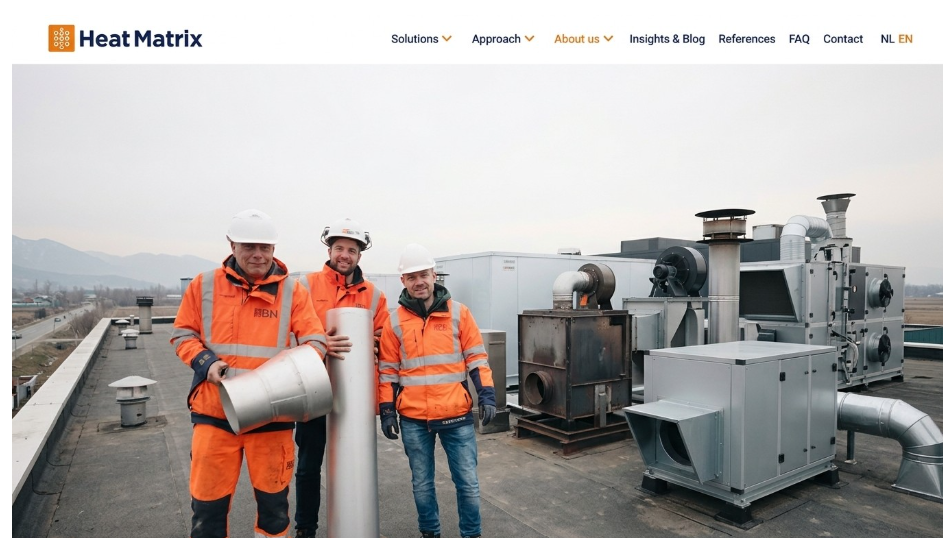
HeatMatrix manufactures uncoupling membranes with engineered stud patterns designed to snap electric cables into place securely. This dual-purpose design allows installer flexibility, allowing custom cable spacing to dial in specific heat output per square foot. By integrating tile crack isolation, subfloor waterproofing, and electric heating wire alignment into a single layer, HeatMatrix eliminates the need for separate backer boards or extra structural prep. This multi-functional system significantly cuts down on overall floor height addition, job site preparation time, and installation material expenses for tile contractors.
- Primary System Type: Uncoupling membrane electric cable systems.
- Key Offerings: Studded polyethylene underlayment mats, electric heating wire arrays, and waterproof seals.
- Best For: Tile and natural stone floors that require both waterproofing and crack prevention alongside floor warming.
6. ProMelt (By SunTouch)
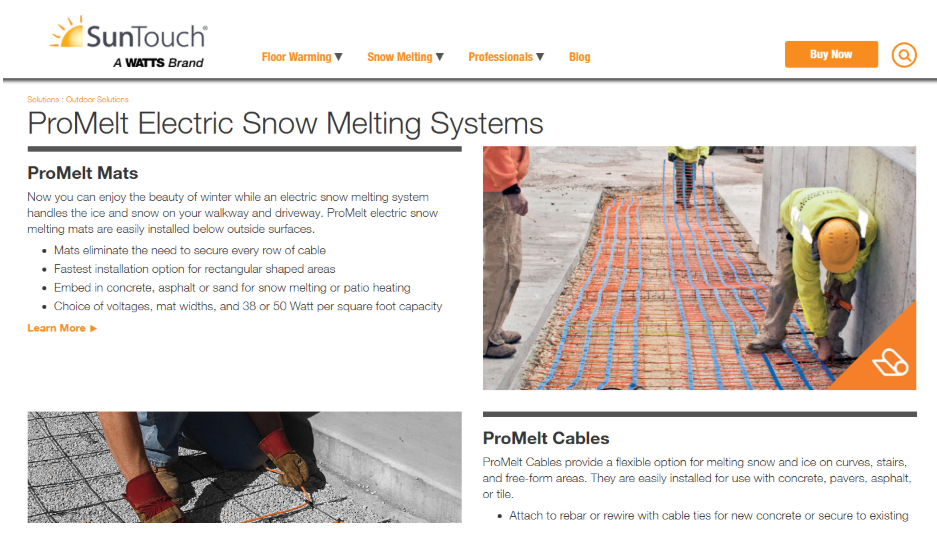
ProMelt focuses specifically on outdoor electric radiant melt systems manufactured to withstand extreme environment exposure. Instead of heating indoor living spaces, these heavy-duty wire arrays are designed to melt snow and ice off exterior surfaces automatically. Embedded directly within poured concrete, asphalt, or mortar beneath patio pavers, ProMelt eliminates the manual labor of shoveling and chemical de-icers. The mats connect to automated temperature and moisture sensors that trigger heating elements only during snowfall events, saving energy while avoiding the complex boilers and antifreeze loops required by hydronic outdoor snow-melt installations.
- Primary System Type: High-output electric snow-melting cable mats.
- Key Offerings: ProMelt concrete/asphalt mats, slab cable reels, and automatic moisture/temperature ground sensors.
- Best For: Driveways, walkways, patio slabs, and stairs where hydronic boiler setups are unfeasible.
7. Raychem (nVent)
Raychem, manufactured by nVent, is a global leader in self-regulating electric cable technology. Their specialized floor heating cables adjust electrical output dynamically based on ambient room temperature, automatically producing more heat in cold spots and throttling back output in warmer zones. This self-regulating capability prevents floor overheating, improves energy efficiency, and protects thermal-sensitive floor coverings. Additionally, Raychem supplies cut-to-length heating cable reels that allow on-site contractors to size loops precisely without ordering factory-measured custom mats, simplifying retrofits and reducing material waste on complex floor layouts.
- Primary System Type: Self-regulating electric cables.
- Key Offerings: Cut-to-length heating cables, freeze-protection trace cables, and smart floor-warming controllers.
- Best For: Multi-purpose applications including floor warming, pipe freeze protection, and custom layout shapes.
8. Hydronic Alternatives
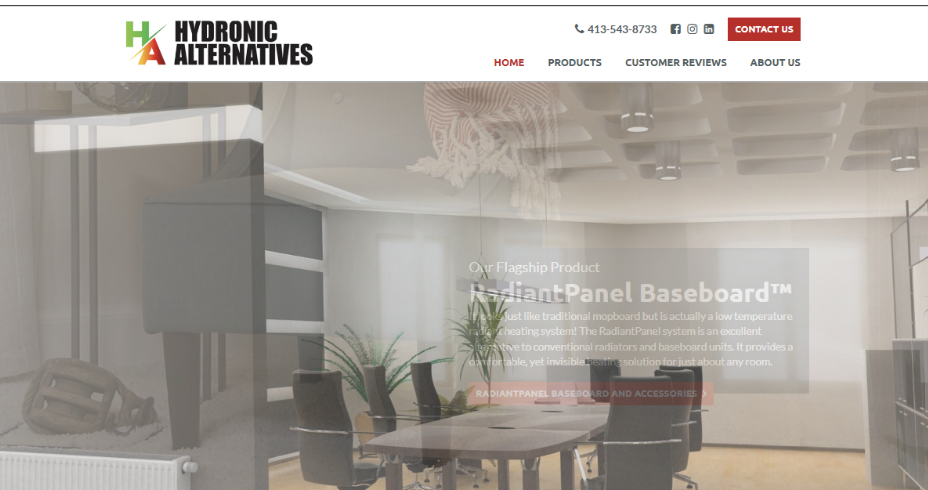
Hydronic Alternatives provides perimeter hydronic heat emitters and low-profile wall panels engineered for low-temperature water heating loops. Rather than embedding heating elements beneath floors or tearing up subfloors, their sleek products radiate heat into living spaces directly from wall-mounted surfaces or architectural baseboards. Their lightweight aluminum profiles substitute for traditional baseboard trim, providing an aesthetically pleasing look while maximizing radiant thermal comfort. This approach avoids carpet removal, hardwood demolition, or room height adjustments, offering an accessible, low-impact hydronic retrofit path for older homes.
- Primary System Type: Hydronic perimeter baseboards and wall panel emitters.
- Key Offerings: Radiant baseboard profiles, architectural wall panels, and low-temperature fluid heat exchangers.
- Best For: Budget-conscious retrofits where tearing up existing subfloors or tile is not an option.
Conclusion
Selecting an appropriate radiant heating system depends primarily on matching technical capabilities with the structural parameters and scale of the project. Hydronic loops remain the standard for full-home builds and major additions due to lower operating costs over time, whereas electric systems excel in targeted retrofits like single bathrooms or kitchens where rapid heat output and minimal floor height addition take priority. Structural considerations like subfloor access, floor covering types, and allowable installation height further dictate whether specialized modular panels, loose cables, or ultra-thin films are required.