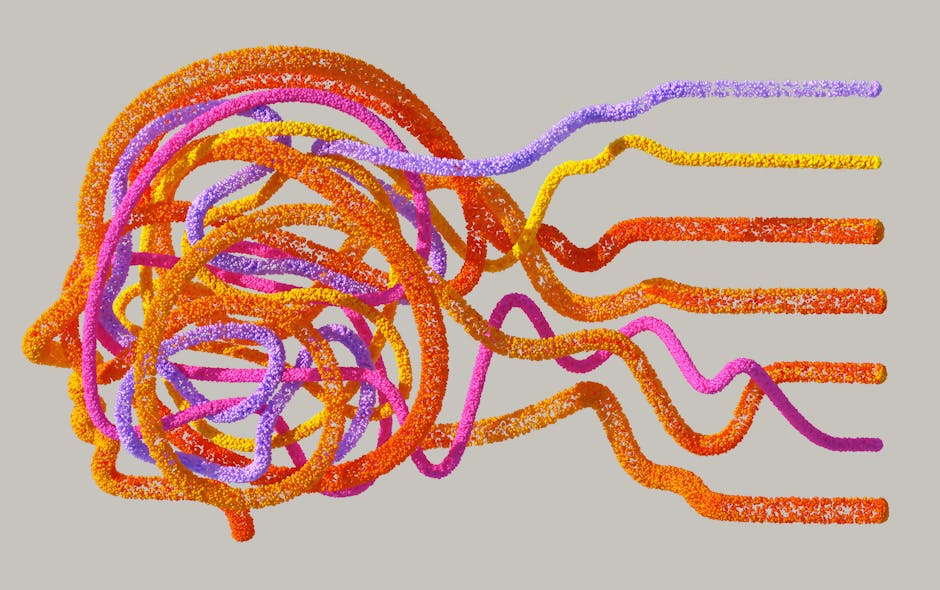

Fine art has always been both a lens and a mirror—shaping cultural identity while reflecting societal values. With the rising interest in nuanced artistic perspectives, readers and collectors alike are turning to thoughtful resources like fine art articles artypaintgall to understand evolving themes, techniques, and voices in the visual arts. Whether you’re a seasoned collector or just learning the difference between oil and acrylic, exploring fine art articles artypaintgall gives you insight into movements, markets, and the minds behind the canvas.
Why Fine Art Writing Still Matters
We live in a world driven by visuals. Social media is stuffed with images—some beautiful, most fleeting. But the context and meaning behind artwork? That’s often lost in the swipe. That’s where long-form fine art commentary proves itself valuable. Well-edited writing can slow the viewer down, anchoring the ephemeral image to history, culture, and artist intent.
Fine art articles add shape to aesthetic experiences. They clarify what’s being said, why it matters, and how it interacts with the artistic traditions before it. Without this lens, meaning can slip away. Imagine approaching a Rothko without any knowledge of color field theory or post-war abstraction. The painting might impress, yes, but it won’t speak.
Platforms like fine art articles artypaintgall serve as bridges—connecting everyday viewers to academic-level insights in a digestible tone. That accessibility keeps the door open for more people to engage meaningfully with art.
What Makes a Great Fine Art Article?
Just like great art, great writing about art balances style with substance. You don’t need jargon or elitism to speak meaningfully about technique or context. The best fine art articles aren’t intimidating—they’re enlightening.
Here are three things strong art writing delivers:
- Clear Context: Who created the work? What movements influenced it? What historical or personal story does it belong to?
- Critical Insight: Not just what’s on the canvas, but why the artist chose those materials, compositions, and subjects.
- Voice and Perspective: Whether the writer is an academic or self-taught critic, strong personal perspective can make even a niche topic feel urgent and compelling.
When curated well, a collection of fine art articles—like those you’ll find on fine art articles artypaintgall—builds a roadmap for understanding contemporary and historical art alike.
How Articles Support Artists and the Art Ecosystem
Art doesn’t survive on canvas alone. Exhibitions, sales, and reputations all grow stronger with articulate interpretation and exposure. Artists trying to gain trust with galleries or collectors benefit enormously from well-researched articles about their work. These aren’t fluffy press releases—they’re credibility builders.
Similarly, curators and gallerists use critical writing to map out what they’re presenting to the public. It creates cohesion and signals thoughtfulness behind a show’s curation. Audiences take it as a sign that something more than just “what looks good” guided the selection.
Even beyond the professional level, fine art publications encourage community—people debating ideas, disagreeing with each other’s takes, sharing pieces that moved them. Culture expands not just on walls but in minds. Stimulating thought means stimulating conversation.
How to Read and Use Art Articles as a Viewer
Let’s be honest: some art is intimidating. Especially if you’re standing in front of what looks like a blank canvas, trying to “get it.”
That’s when a well-crafted article can unlock things.
Start by identifying what kind of writing you’re looking at. Is it:
- A review? You’ll get the writer’s reaction and comparisons to other artists.
- An academic piece? Expect theory, citations, and deep dives into meaning.
- A profile or interview? These often bring in the artist’s own voice, which can humanize abstract work.
Know what you want. If you’re visiting a new museum, search for articles on its most renowned pieces before you go. Heading to a gallery opening? Read a recent review of the artist’s last show so you have reference points. Fine art articles aren’t homework assignments—they’re guides. Use them.
The Role of Online Platforms in Shaping Art Dialogue
The internet changed everything for artists—and for art fans. You no longer have to be in New York, Paris, or Tokyo to get access to work by meaningful contemporary voices. But with that expanded access comes more white noise.
That’s why well-curated, trusted platforms are gold.
Websites like fine art articles artypaintgall filter out the fluff from the in-depth. They invite guest writers, spotlight emerging trends, and give voice to underrepresented artists and themes. They don’t just post—they edit, refine, and elevate. That’s how they sustain quality in a world often driven by clicks instead of content.
These hubs also help local scenes grow. Imagine a mid-career sculptor in Detroit gaining recognition through a thoughtful interview or a fresh analysis of their latest body of work. Without journalism—especially artist-focused journalism—those moments may never reach beyond Instagram captions.
Final Thought: Art Needs Words
Art is visual. But it’s also emotional, historical, political, and deeply human. And while a painting or installation can capture all of that, its full meaning often needs words to flourish.
Fine art articles create those words. They challenge simplistic interpretations and offer depth in an age of brevity. They respect art by thinking critically about it—and by sharing those thoughts with anyone willing to look beyond surface impressions.
So the next time you stand before a piece that grabs you, don’t stop with the image. Look for the words, too. Find fine art articles artypaintgall and let them guide your understanding. You’ll see more—and feel more—than you thought possible.