Oil paint smells like history. And turpentine. And sometimes regret.
You’ve stood in front of a real oil painting and felt something crack open in your chest.
Then you walked into another gallery and saw the same three artists, same lighting, same vague wall text.
Why do so many Oil Paintings Exhibitions Arcagallerdate feel like reruns?
I’ve watched people leave disappointed. Again.
Arcagallerdate doesn’t just hang oil paintings. They study how light moves through layers of pigment. How a brushstroke holds breath.
They’ve spent decades building relationships with living painters who still mix their own mediums.
This isn’t a list of shows. It’s a backstage pass.
You’ll see what makes one exhibition land. And why another falls flat.
No fluff. No filler. Just what’s worth your time.
Why Oil Paintings Still Stop You in Your Tracks
I stand in front of an oil painting and my breath catches. Every time.
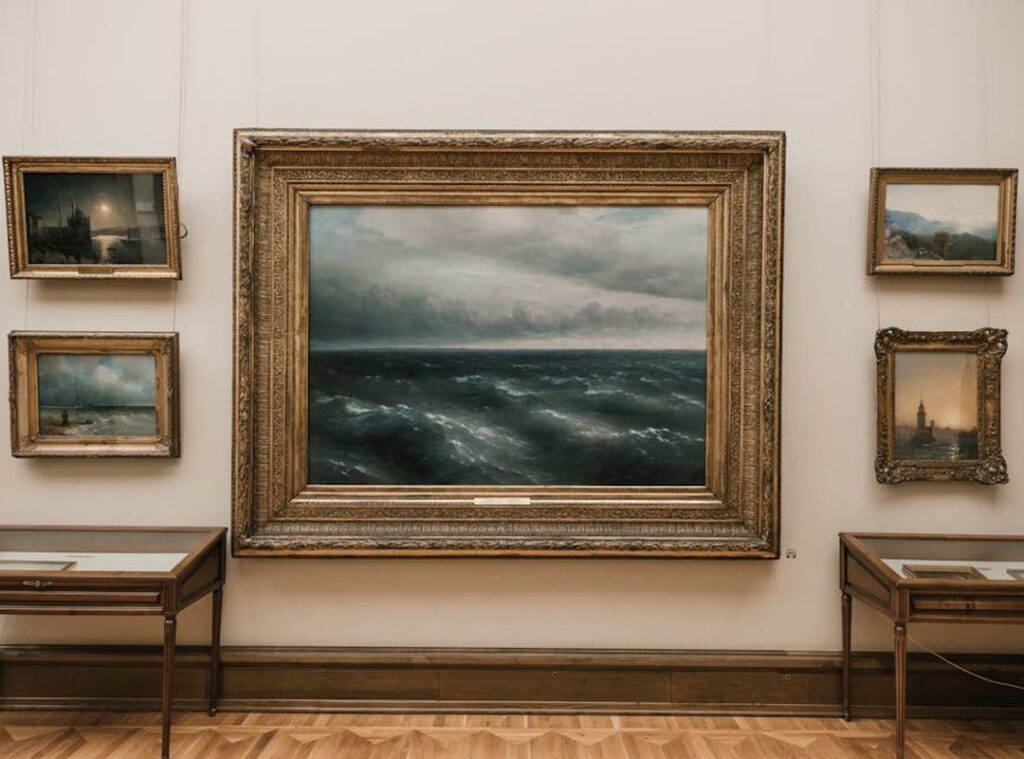
It’s not magic. It’s the luminosity. Light sinking into layers, then bouncing back like it’s coming from inside the canvas.
Oil paint holds color differently. Deeper. Richer.
A single stroke can hold three shades at once.
You see the brushwork. You feel the ridges. That thick impasto?
It casts real shadows when the light shifts. Try that on a screen.
I’ve watched people walk past digital art fast. Then they hit an oil painting (and) freeze. Their head tilts.
They step closer. They lean in.
That’s not nostalgia. That’s physics meeting emotion.
Oil has prestige. But not because it’s old. Because it’s hard.
Because Titian, Rembrandt, and Vermeer wrestled with it for years before they got it right. (And even then, some of their canvases cracked.)
But here’s what matters now: artists showing at Arcagallerdate aren’t copying the old masters. They’re torching the rulebook.
One uses motor oil mixed with pigment. Another builds up 47 layers over nine months. None of them treat oil as a relic.
Seeing these in person changes everything. Screens flatten. They lie about scale.
They kill texture. They mute the slow glow.
You don’t just look at an oil painting. You share space with it.
Does that sound dramatic? Go stand in front of one tomorrow. Then tell me you still think pixels are enough.
Oil Paintings Exhibitions Arcagallerdate demand your body be there (not) just your eyes.
I’m not sure anything else does.
Now Showing: Raw Talent, Not Just Pretty Walls
I walk into the gallery every Tuesday. I look at what’s hanging. I ask myself: does this make me stop breathing for a second?
Right now it’s “Thresholds”. A solo show by Lena Ruiz. She paints doors.
Not just any doors. Doors you’ve walked past your whole life. Peeling paint.
Rust on the hinges. A crack of light underneath.
One piece. “23rd Street, 4:17 PM” (is) oil on linen. She scraped back layers with a palette knife. You feel the grit.
You smell the rain-damp brick. It’s not nostalgic. It’s urgent.
Another. “Locked (But Not Bolted)” (uses) thin glazes over charcoal underdrawing. The handle is blurred. Your hand almost reaches for it.
I stood there for three minutes. Didn’t blink.
The third. “Doors We Carry” (is) six small panels in a row. Each shows a different door, but the same warped wood grain repeats across all of them. It’s quiet.
You can read more about this in Exhibitions Oil Paintings Arcagallerdate.
It’s heavy. It’s about memory you can’t open.
Lena’s local. She teaches high school art two blocks away. She’s never had a solo show outside this zip code.
That matters.
Next month? We switch to oil-only. Not mixed media.
Not digital prints. Just oil. Thick impasto.
Thin washes. All from one artist: Marcus Bell.
His work looks like weather maps drawn by someone who’s lived through every storm. He builds surfaces with gesso, sand, and dried linseed oil (then) scrapes, sands, and re-loads. His colors don’t match reality.
They match feeling.
You’ll see a painting called “Pressure Drop”. It’s 72 inches wide. Looks like a sky collapsing into itself.
You won’t know if it’s beautiful or terrifying until you’ve stared at it for 90 seconds.
We show hyperrealism next to abstraction. Figurative next to pure gesture. No theme except honesty.
No filter except “does it hold up in person?”
That’s rare.
Most galleries chase trends. We chase artists who make us lean in.
Oil Paintings Exhibitions Arcagallerdate isn’t about prestige. It’s about proximity. You’re standing two feet from the brushstroke that took three days to dry.
Go slow.
Stand too long.
Let one piece unsettle you.
How We Pick Oil Paintings. And Why It Matters
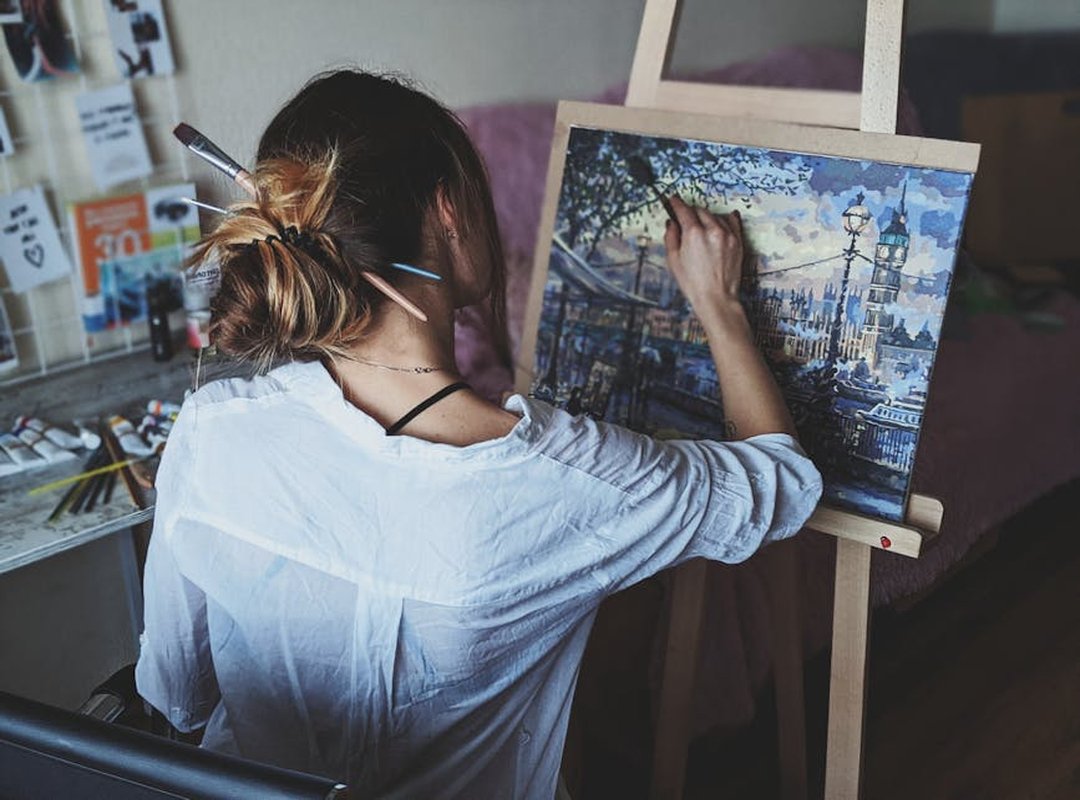
I don’t hang paintings because they’re pretty. Or because they sold well last year. Or because someone told me they’re “important.”
I pick them because they hold up under silence. Because they make you pause mid-breath. Because they’re built to last longer than your phone battery.
Technical skill? Yes (but) only if it serves something real. Conceptual depth?
Sure (unless) it’s just noise dressed as theory. Emotional resonance? That’s the baseline.
If it doesn’t land in your gut, it doesn’t get wall space.
The gallery isn’t neutral. It’s calibrated. Lighting is warm but precise.
No glare, no shadow traps. Walls are spaced so you can step back without bumping into someone’s elbow. And the flow?
It’s not chronological. It’s conversational.
That Rothko next to the contemporary plein air piece? Not random. It’s a question about color as feeling versus color as record.
You notice it even if you don’t name it.
This is why you should see oil paintings here. Not because we have more of them. But because we treat them like living arguments.
Not decor.
If you want to see how those arguments unfold in real time, check out our current Oil Paintings Exhibitions Arcagallerdate. Specifically the way we’ve grouped the 20th-century realists with emerging figurative work.
Exhibitions Oil Paintings Arcagallerdate shows exactly how that tension plays out on the walls.
No filler. No filler. Just paint.
And intention.
How to Actually See the Paint
I stand in front of a painting and forget to breathe.
Then I step back. Then I step in. Brushstrokes jump out.
You do the same. Don’t just glance. Look. Then look again from three feet away.
Thick ridges, smooth glazes, places where the paint cracked years ago (that’s not damage, that’s time talking).
Then six inches. Your eyes lie to you at first. Give them a second chance.
Read the wall text. Yes, really. Not the whole thing (just) the first two lines.
That’s usually where the artist says what they meant to do. Skip it and you’re guessing. Guessing is fine for dinner orders.
Not for understanding why that blue feels so heavy.
Light matters more than you think. Watch how it hits the surface. Is it bouncing off wet-looking gloss?
Sinking into matte pigment? That’s part of the work too (not) just what’s painted, but how it catches the room.
Go to an artist talk if one’s scheduled. You’ll hear the voice behind the brush. It changes everything.
And if you want to see how this plays out across a full set of works, check out the Arcagallerdate Oil Paintings. Their current run nails the balance between texture, light, and intent.
Oil Paintings Exhibitions Arcagallerdate aren’t about standing still. They’re about moving your body, your eyes, your attention.
See the Paintings. Feel the Difference.
I’ve stood in front of these works. You can too.
That brushstroke you can’t replicate on screen? It’s real. The depth.
The smell of linseed oil. The quiet hum of people leaning in.
You’re not just looking at art. You’re inside it.
Oil Paintings Exhibitions Arcagallerdate is where that happens.
Tired of flat images? Go see them live.
Check our exhibition schedule and plan your visit to Arcagallerdate today.