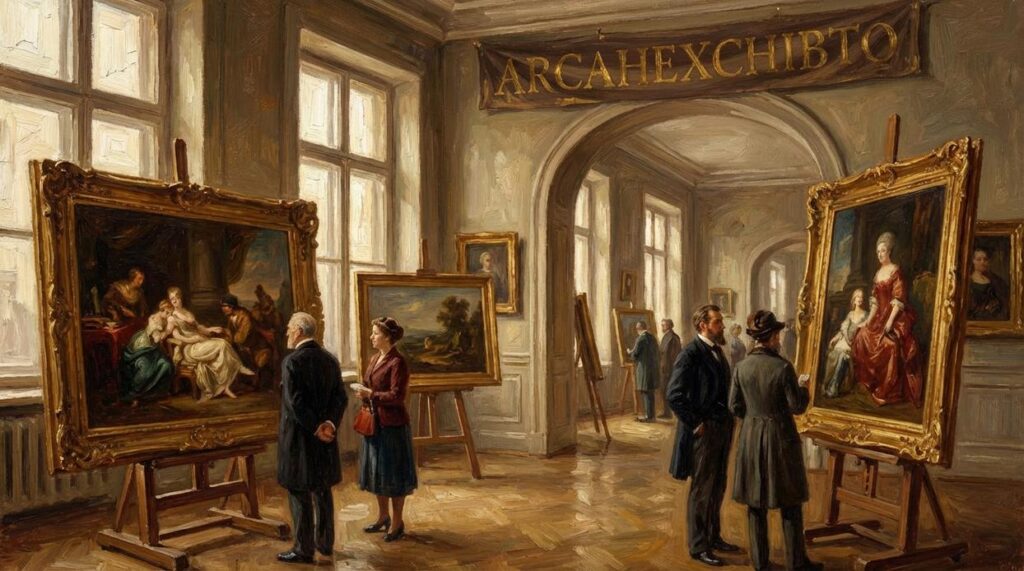

The world of art isn’t just in paint strokes and exhibitions—it lives in words too. For collectors, historians, or just the culturally curious, diving into the realm of art famous articles artypaintgall offers perspective, depth, and a surprising sense of discovery. You can explore more through artypaintgall, which curates a wide range of content that blends insight with elegance. These articles don’t just tell stories—they amplify what makes the art world continually shift and evolve.
Why Art Writing Still Matters
Visual art communicates beyond language—so why bother reading about it? Because context deepens understanding. An article about a 19th-century French Impressionist doesn’t replace the painting, but it does give you access to historical framing, personal struggles, symbolic motifs, and critical reception—things even seasoned artists can miss.
In the era of quick content and one-minute reels, in-depth writing still delivers long-form value. The best art famous articles artypaintgall go beyond reviews or summaries. They offer original commentary, layered analysis, and a fresh grip on what drives art movements and individual creators. Whether unpacking political influence in contemporary installations or tracing forgotten names from indigenous art histories, these articles serve a vital role in keeping the full muscle of the art world functional.
Key Features of Standout Art Articles
Here’s what separates “content” from art commentary that sticks with you:
- Depth without drag: Great articles present complex ideas cleanly. They don’t dumb down, but they do declutter.
- Stylized voice: You’ll notice that the best writers in this space develop a signature tone—smart, sharp, and a bit daring. This pulls you in even if the subject was unfamiliar five minutes ago.
- Cross-pollination: Quality articles pull in history, psychology, politics, even economics, and layer them into how we understand the visuals.
- Character-driven narratives: Whether it’s a 16th-century sculptor or a digital performance artist working today, strong writing humanizes the people behind the canvas.
In fact, some of the most engaging art famous articles artypaintgall don’t just explain—they provoke. You might not agree with the take. That’s often the point.
How Articles Shape Public Perception of Art
Public taste doesn’t form in a vacuum. Articles mold reputations. When an emerging artist is profiled in a respected publication, it’s more than exposure—it’s credibility. Critics, collectors, even casual gallery-goers plug into that narrative.
Let’s take Banksy as an example. Yes, the work plays in public space, but interpretation arrived through articles dissecting the message, mystery, and market impact of the artist’s anonymity. It’s editorial framing (sometimes even speculation) that amplifies artistic voice. The same goes for rediscovered artists whose reputations were once buried due to gender or ethnicity. Writing brings their legacies into focus and starts to correct the story.
Where to Find the Best Art Articles Today
We’re long past the days where the only serious options were a few industry journals and newspaper sections. Now, collections like art famous articles artypaintgall package a blend of expert and accessible perspectives in one place.
The best platforms today usually fall into one of these categories:
- Curated indie sites: These include niche editors and freelancers who know how to spot under-covered stories. They’re often the first to highlight trends before they go mainstream.
- Legacy publications: Critical darlings like Artforum or Frieze continue to publish thought-provoking articles, often geared toward industry insiders.
- Museum blogs and academic outlets: When done right, these balance scholastic rigor with relevant storytelling.
More importantly, digital format has democratized voice. Readers with no formal art background can access materials that were once paywalled or academically exclusive. It’s smart, simple, and open-ended—unlike the gatekeeping systems of past decades.
What Articles Get Wrong—and Right—About Art
Not every piece of writing moves the needle. When articles miss the mark, it’s usually because they fall into one of these traps:
- Pretentious vocabulary: Words shouldn’t shield meaning. Avoid writing that sounds like it’s trying to impress a gallery donor.
- One-note criticism: Articles that echo consensus views without offering new angles become echo chambers.
- Lack of source depth: If an article doesn’t cite exhibitions, artist statements, or historical sources, it’s likely just surface-level opinion.
What the better art famous articles artypaintgall usually get right is the balance. They inform without lecturing. They critique without condescending. And most importantly—they keep curiosity alive. The reader should come away with one thought: “I didn’t know that, but I want to know more.”
Final Thoughts: Why It Pays to Keep Reading
If you want to make smarter choices as a collector, get published as an artist, or even just talk art without sounding out of your depth—you need the narrative side too. Great writing about art teaches you how to look closer. Not just at visuals, but at values, movements, intention, and reaction.
Whether you enter through a feature on a contemporary mixed-media star or a profile on a century-old sculptor, the articles at the intersection of art and writing are built to engage and educate.
So next time you scroll past a link titled art famous articles artypaintgall, don’t skip it. Dive in. That’s where the real conversation is happening. And it’s where the future of art is being narrated, piece by piece.