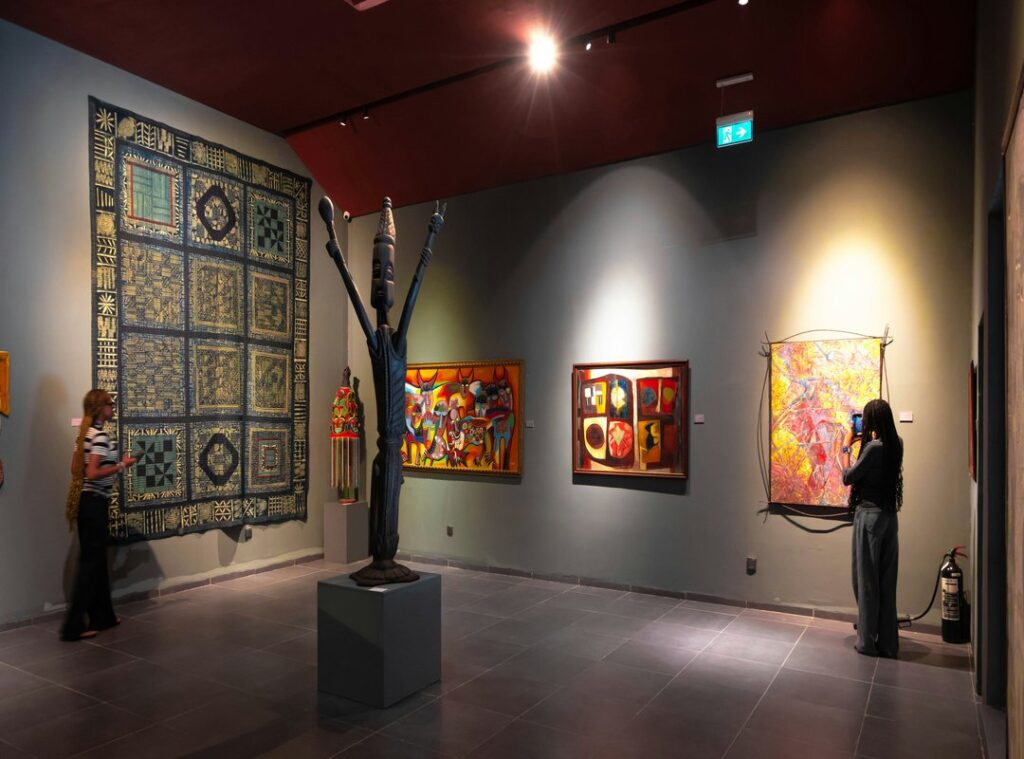
You walk into a gallery and feel like you’re reading a menu in another language.
The walls are white. The art looks expensive. Nobody makes eye contact.
I’ve been there too.
And I’ve spent the last twelve years watching how galleries actually operate. Not the glossy version, but the real one behind the velvet rope.
How Art Galleries Work Arcagallerdate isn’t some abstract theory. It’s what happens when you stop pretending galleries are just about taste (and) start seeing them as living systems of trust, timing, and real human decisions.
I’ve sat in those back rooms. I’ve seen the spreadsheets next to the sketchbooks. I’ve watched deals fall apart over coffee, not contracts.
This isn’t a textbook.
It’s a step-by-step walk through how a gallery finds an artist, builds their voice, brings in collectors, and closes a sale. All without faking it.
You’ll get the business. The creativity. The relationships.
No jargon. No gatekeeping.
How Galleries Actually Find Artists
I used to think galleries just waited for talent to knock. Turns out they’re out there hunting (hard.)
They go to MFA thesis shows. Not the fancy ones. The real ones.
Where students are exhausted and hopeful and hanging work on cinderblock walls. That’s where I’ve seen three future gallery artists in one night.
Art fairs? Yes (but) not the VIP booths. The back rooms.
The satellite fairs. The ones with bad coffee and better instincts.
Portfolio reviews happen too. Some are legit. Most are pay-to-play.
You’ll know the difference when the reviewer asks one question about your process (not) your Instagram follower count.
Studio visits? Rare unless someone vouches for you. Which means referrals matter more than most people admit.
(And yes, it’s unfair.)
What do they want? Artistic quality first. Not polish. Not trendiness.
Does the work hold up after ten minutes? Twenty?
Then: a vision that’s actually yours. Not a mashup of three influencers you follow.
Career potential matters. Can you handle a solo show? Talk to collectors?
Ship work without losing it in transit?
Alignment with the gallery’s program? That’s code for “do we already represent someone who looks like you?” Be honest about that.
The relationship isn’t transactional. It’s a partnership (with) real obligations. Exclusivity usually means regional, not global.
Contracts last 1 (3) years. You deliver work. They deliver visibility.
Both sides can walk if it stops working.
The old system was closed. Opaque. Gatekept.
That’s why I built Arcagallerdate.
How Art Galleries Work Arcagallerdate isn’t a slogan. It’s a reset.
No waiting. No guessing. Just direct access (and) clear terms from day one.
You deserve transparency. Not mystery.
The Gallery’s Cut: Where the Money Really Goes
I’ve watched artists get mad about the 50/50 split. Then I watched them try to run their own gallery for six months.
It’s not greed. It’s math.
The gallery takes half. But they don’t just pocket it. That share covers rent in a neighborhood where $5/sq ft is cheap, full-time staff who know how to light a painting and negotiate with collectors, marketing that isn’t just an Instagram post, and shipping insurance that actually pays out when a $12,000 sculpture arrives cracked.
Consignment means the gallery doesn’t buy your work. They hold it. They sell it.
They’re your agent. Not your buyer.
That sounds nice until you realize they’re also on the hook if the piece gets damaged, stolen, or sits unsold for 18 months while rent keeps coming due.
Art fairs cost more than your studio lease. Booth fees, travel, custom crates, wine for VIPs. All come out of that 50%.
Insurance alone? Not the cheap kind. The kind that requires condition reports, climate logs, and third-party appraisals.
Pricing isn’t arbitrary. We sit down and look at your last three sales, what similar artists charge, the medium (oil sells higher than digital prints. Sorry), and whether your name moves people to write a check now.
A mid-career painter might price a 48×60” canvas at $8,500. A new grad with two group shows? Maybe $1,800.
Same size. Same effort. Different market weight.
How Art Galleries Work Arcagallerdate isn’t magic. It’s labor, risk, and real overhead (disguised) as a simple split.
You can read more about this in Gallery Oil Paintings Arcagallerdate.
You want control? Open your own space. Just remember: that “50%” includes the person who answers the phone at 7 p.m. on a Tuesday when a collector calls drunk and ready to buy.
From Studio to Showcase: How It Actually Goes
I’ve hung shows in basements and white cubes. Same rules apply.
You start with a gut feeling (not) a thesis. What’s the show about? Not “contemporary abstraction.” Try: “paintings that sweat when you stand too close.”
Then you pick the work. Not the best pieces. The right ones.
The ones that talk to each other. I cut three pieces last week because they were strong (but) wrong for the room.
The hang is where people get nervous. Don’t overthink spacing. Step back.
Squint. If it feels off, it is. Trust your feet more than your eyes.
Press releases? Write them like you’re texting a friend who actually cares. Skip the adjectives.
Say what opens, when, and why someone should care today. (Spoiler: “Emerging talent” doesn’t count.)
You email critics. You DM collectors. You post one real photo.
Not ten filtered shots (on) Instagram. And you print a catalog only if it adds something. Most don’t.
The opening night? It’s not magic. It’s logistics.
Heat the space. Stock water (not) just wine. Have a stool backstage for the artist who’ll panic at 7:03 p.m.
Sales happen before the champagne flows. That’s why you prep your staff. They need to know the price, the medium, and whether the artist ships internationally.
No guessing.
Cohesion isn’t polish (it’s) permission to feel something together.
If you want to see how that works in practice, check out the Gallery Oil Paintings Arcagallerdate. It’s a tight, no-fluff hang. Real oil.
Real walls. Real decisions.
How Art Galleries Work Arcagallerdate isn’t theory. It’s showing up early, moving the ladder, and knowing when to stop adjusting the light.
You’ll know the show works when someone stands still for longer than usual.
That’s the only metric that matters.
I covered this topic over in How Galleries Make Money Arcagallerdate.
Arcagallerdate: Not a Gallery. A Reset.
I ran a gallery for seven years. Then I shut it down and rebuilt one from scratch. This is what came out: Arcagallerdate.
It’s not about hanging art in white rooms and hoping someone buys it.
It’s about showing artists exactly how much their work earned. Down to the dollar. After every sale.
No more “we’ll send numbers next quarter” (which meant never).
We use real-time sales data to decide what shows happen next. If three collectors click “notify me” on a ceramicist’s page for two months straight? That’s the next exhibition.
Not a hunch. Not a trend report. Actual behavior.
Transparency isn’t a buzzword here. It’s built into the contracts. Into the website backend.
Into the monthly PDF we email artists.
Traditional galleries still matter. But they don’t serve most working artists right now. Too slow.
Too vague. Too closed off.
How Art Galleries Work Arcagallerdate isn’t theory. It’s what happens when you stop pretending collectors only care about provenance and start asking them what they actually want.
You want the numbers behind the model? This guide breaks it down (no) fluff, just line items.
You Belong in That Gallery
I used to walk past galleries like they were locked rooms.
You probably have too.
It’s not your fault. The system hides behind jargon and quiet confidence.
But here’s what I know now: How Art Galleries Work Arcagallerdate isn’t magic. It’s contracts, calendars, and conversations.
Artist representation? Not a favor (it’s) a business decision. Exhibition logistics?
Just scheduling, shipping, and lighting. The business model? Sales, commissions, relationships.
None of it requires an art degree.
Modern galleries post their artist rosters online. They explain their process. Some even list prices.
So next time you see a gallery window. Stop. Go in.
Look at the artist list. Ask yourself: Who chose these people (and) why?
That question alone changes everything.
Your turn. Visit one this week. Stand there.
Breathe. Look.
You’re not guessing anymore.