You opened the box. You watched the kids light up. Then.
Two days later. They’re staring at a tablet again.
I’ve been there. More times than I care to admit.
You spent good money on that How to Make Playful Activities Lwmfcrafts kit. You expected magic. Instead you got one afternoon of fun and a pile of unused supplies.
That’s not the kit’s fault. It’s the instructions’ fault. Most craft kits tell you how to build.
Not how to play.
I’m a parent who’s turned cardboard tubes into space stations and pipe cleaners into stop-motion puppets. I’ve done this with real kids. Real mess.
Real boredom.
This isn’t about following steps. It’s about flipping the script.
You’ll get six ideas. Low prep. High imagination.
All built from what’s already in your Lwmfcrafts box.
No screens. No shopping. Just play that lasts.
The ‘Invitation to Play’ Method: No Scripts, Just Spark
I set out materials like I’m handing someone a key. Not a map.
An Invitation to Play is just that: a quiet setup. No instructions. No “make this.” Just stuff laid out so curiosity can take over.
You want to try it? Grab a tray or clear off one corner of the table. That’s your Creation Station.
Done.
Now add Lwmfcrafts (pipe) cleaners, pom-poms, googly eyes. Then toss in what’s already in your house: cardboard tubes, egg cartons, dried leaves, bottle caps.
Don’t match them up neatly. Tangle the pipe cleaners. Nest pom-poms in the egg carton cups.
Stick one googly eye on a leaf. Let it look slightly wrong. That’s where kids lean in.
This isn’t about making something “right.” It’s about poking, twisting, dropping, re-arranging.
I’ve watched kids ignore the “intended” use entirely (and) that’s the win. One kid turned a cardboard tube into a drum, then a telescope, then a snake den. All in six minutes.
The pressure to produce a finished thing kills play fast. So I don’t ask “What did you make?” I ask “What did you try?”
That shift changes everything.
You don’t need a craft store. You need access and permission. To mess up, to wander, to stop halfway.
How to Make Playful Activities Lwmfcrafts starts here: with space, not steps.
No glue guns. No Pinterest boards. Just stuff.
Within reach.
And yes (I) keep scissors blunt. Safety first. (But also: let them figure out how to hold it.)
Try it for three days. Watch what they pick up first.
Then do less next time. Less direction. Less interference.
Storytelling Adventures: Puppets, Boxes, and Real Magic
I cut out felt shapes with kid-scissors. Not the fancy kind. The ones that barely work.
That’s how we started puppet theater.
You need craft sticks. Felt scraps. Googly eyes that wiggle when you tap the stick.
Glue that dries fast. Because no one waits three hours for a puppet to blink.
We glued eyes to felt circles. Then glued those to sticks. Done.
No perfection needed. (The lopsided fox got the loudest applause.)
Then came the stage: a cardboard box with the front cut out. We painted the inside blue. Added a red paper curtain.
That’s it.
Kids didn’t ask for scripts. They made up lines mid-swing. One kid gave his puppet a British accent.
Another had hers argue with a sock. I watched. Didn’t correct.
Didn’t suggest. Just handed more glue.
I covered this topic over in Creative Activities.
Diorama Worlds came next.
A shoebox. That’s your world. Flip it so the lid becomes the roof or the floor (whatever) feels right.
Lwmfcrafts pipe cleaners became fences. Blue felt? A river.
Pom-poms? Bushes. Craft gems?
Buried treasure. (Yes, we hid them under fake dirt made from coffee grounds.)
One kid built a volcano with red yarn lava. Another made a city where toy cars parked in garages cut from egg cartons.
This isn’t about cute outcomes. It’s about control. Choice.
Voice.
You don’t need instructions to tell a story. You need materials that respond. Not resist.
That’s how to make playful activities Lwmfcrafts: give kids tools that bend, stick, and surprise.
No kits. No downloads. Just stuff that works when you shove it together.
And if the puppet falls apart mid-show? Good. Now they get to fix it (and) rewrite the ending.
Sensory Play That Actually Works
I don’t believe in busywork disguised as learning. Sensory play isn’t just about keeping kids quiet for ten minutes. It’s how they build brain pathways.
One touch, one sound, one sight at a time.
Try the Texture Collage first. Give your kid a piece of cardboard, glue, and five things from the kit: soft pom-poms, bumpy pipe cleaners, smooth gems, crinkly paper, and something rough like sandpaper. Let them stick whatever they want.
No instructions. No “right way.”
They’ll press, peel, squish, and pause. That’s the point.
(Yes, glue gets everywhere. Worth it.)
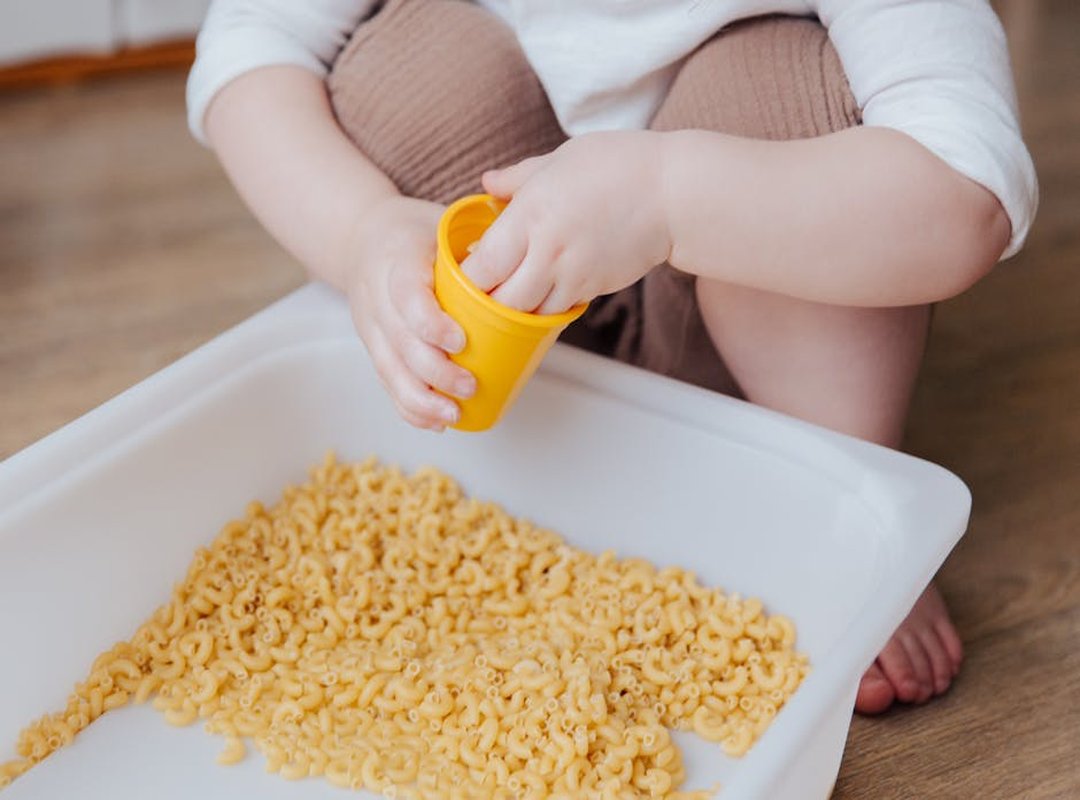
Then switch to Sensory Bin Surprise. Fill a shallow bin with dry rice or pasta (nothing) smaller than a pea if they’re under four. Bury Lwmfcrafts items deep enough that they have to dig.
Not just scoop. feel. Use tongs? Great.
Fingers only? Even better. Their hands are doing math before they know numbers exist.
This kind of play builds fine motor control. It trains sensory processing (how) the brain sorts touch, sound, sight without overload. Kids who struggle with socks or loud noises?
This is low-stakes practice.
How to Make Playful Activities Lwmfcrafts starts here. Not with prep, but with permission to get messy and trust their hands.
If you want more ideas that skip the fluff and go straight to what works, this guide covers exactly that. No glitter bombs. No 47-step setups.
Just real activities, tested with real kids.
I’ve watched toddlers line up pipe cleaners by texture before they could say “bumpy.”
That’s not cute. It’s cognition in motion. Don’t overthink it.
Just start.
Inventors’ Workshop: Build, Break, Try Again
I hand my kid craft sticks and say: build a bridge between these two books. No glue. Just tape and pipe cleaners.
And it has to hold a Matchbox car.
That’s The Unbreakable Bridge. It’s not unbreakable. It always breaks.
At least at first.
Then we talk about why. Too much weight on one side? Not enough cross-bracing?
Did the tape peel?
Next up: Build a Bug. I dump out buttons, straws, foil, yarn. How many legs?
Does it jump or crawl? What’s its superpower? (Mine had glitter wings and ate homework.
Obviously.)
This isn’t about perfection. It’s about asking questions before grabbing glue.
You don’t need a lesson plan. You need curiosity and ten minutes where “wrong” means “let’s try again.”
I’ve watched kids redesign that bridge three times in one afternoon. Their focus is insane. Better than any screen time I’ve seen.
How to Make Playful Activities Lwmfcrafts starts with letting them lead (even) when the bug has seven eyes and no mouth.
If you want more of this kind of open-ended making (no) instructions, no right answers (check) out Lwmfcrafts Fun Crafts by Lookwhatmomfound.
Your Child’s Attention Is Waiting
I’ve watched kids zone out in front of screens for too long.
You have too.
That struggle? It’s real. And exhausting.
Your How to Make Playful Activities Lwmfcrafts kit isn’t just colored paper and glue sticks.
It’s permission to stop chasing engagement (and) start creating it.
One prompt. One setup. One afternoon.
That’s all it takes to shift from “I’m bored” to “Can we do this again?”
You don’t need more stuff. You need a clear starting point. Right now.
So pick one idea from the list. Clear a corner of the table. Invite them.
Not demand, not distract. Just invite.
Watch what happens when their hands get busy and their minds go quiet. It’s not magic. It’s just play.
Done right.
Go set it up. Do it this afternoon. (We’re the #1 rated kit for screen-free focus (parents) say it works the first time.)