Breaking Rules and Redefining Art
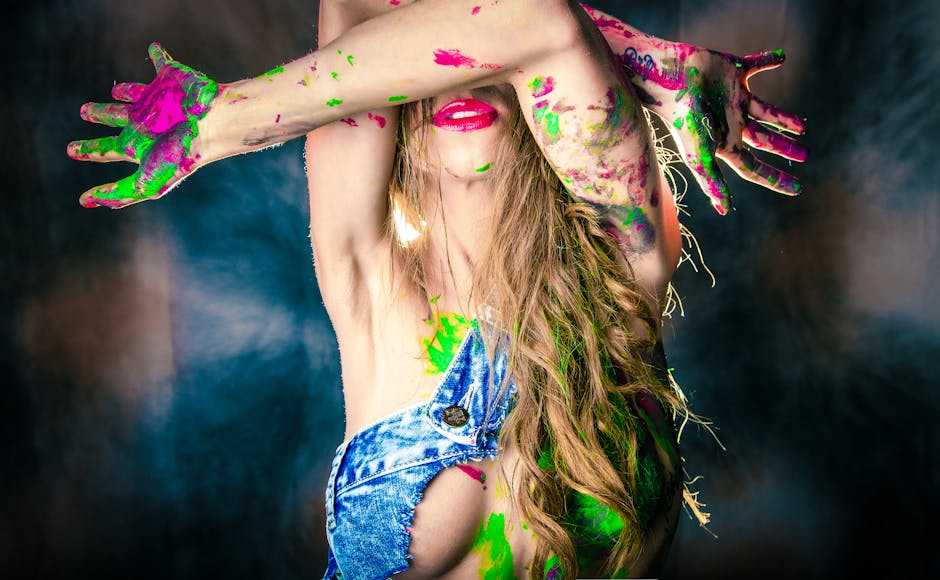
Abstract Expressionism wasn’t just a new look it was a rebellion. These artists didn’t want to paint pretty pictures or follow neat rules. They wanted freedom. They wanted to dump raw emotion onto the canvas and see what came out. Jackson Pollock dripping paint in chaotic arcs, de Kooning slashing the brush like a boxer this wasn’t art as product, it was art as action.
What mattered wasn’t just what ended up on the wall, but how it got there. The process wasn’t hidden behind perfect strokes or classical structure. It was messy, exposed, and honest. The artist’s energy rage, joy, uncertainty was baked right into the work. In that way, Abstract Expressionism cracked open an entirely new idea: the act of making became just as important as the final result.
This wasn’t just a technical shift. It was philosophical. It gave artists permission to stop representing the world and start reflecting the self.
Personal Expression as the Core
Abstract Expressionism didn’t care if you understood it. That was the point. It turned attention away from what was on the canvas and toward what it made you, the viewer, feel. Instead of clean lines and defined subjects, it offered chaos, motion, silence whatever you saw in it. This space for interpretation made the work personal, not just for the artist, but for anyone looking at it.
By embracing ambiguity, it handed some control over to the audience. The meaning wasn’t fixed. Your background, your mood, your moment shaped your reading of each piece. That mindset art as an open ended experience directly shaped movements like Minimalism, which stripped form to emotion’s bare essentials, and Conceptual Art, where the idea came first and presentation second.
In many ways, this push toward feeling over form is still pulsing through today’s art world. For more, dive deeper into its lasting impact today.
Influence on Contemporary Artists

Even today, the fingerprints of Abstract Expressionism are all over modern work. In studios around the world, artists still chase that same raw energy freedom over form, emotion over perfection. It’s not about recreating a Pollock drip or a de Kooning smear. It’s about embracing spontaneity, uncertainty, and honesty in the creative process.
You can see it in the layered brushstrokes that reject clean lines. In the textures built up with palette knives, rags, or even hands. In the pieces that leave behind the polish and let the flaws speak.
Digital creators are in on it too. Artists using Procreate or Blender take cues from the movement’s ethos. Their tools are high tech, but their process still values imperfection and intuition. It’s less ctrl+z, more let it happen.
Abstract Expressionism gave artists permission to be messy and real. That permission still holds. You can explore more on its staying power here: lasting impact today.
Beyond the Canvas
Abstract Expressionism didn’t stay confined to gallery walls it spilled into every corner of modern culture. The movement’s philosophies pushed beyond paint, influencing the way we think about fashion, film, design, and even how we engage socially.
A Cultural Ripple Effect
The core values of Abstract Expressionism individual freedom, emotional authenticity, and creative risk found a home in many other disciplines:
Fashion embraced asymmetry, spontaneity, and bold experimentation, favoring expressive individuality over conformity.
Film reflected similar emotional depth and abstract storytelling, often abandoning linear structure in favor of mood and feeling.
Design took cues from the movement’s rawness and rejection of perfection, breaking away from symmetry and traditional form.
Social philosophy saw a shift toward introspection, rebellion against norms, and the legitimacy of personal truth as cultural currency.
More Than a Visual Legacy
The power of Abstract Expressionism lies in its worldview as much as its aesthetics. It asked artists and thinkers alike to value process over perfection, to be driven by instinct, and to break form in pursuit of truth.
That mindset still influences how people create and interpret not just art but identity, space, and experience today.
A Movement That Never Ended
Abstract Expressionism didn’t vanish it adapted. What started as rebellion in mid century studios is now embedded in the DNA of how we think about art. It’s in every messy studio critique, every MFA thesis about process over product, every social post where someone throws paint, pixels, or words onto a surface just to see what happens.
Art schools still teach the freedom it championed. Galleries still show works that value raw emotion over clean polish. And on Instagram, TikTok, wherever, artists are still channeling that energy spontaneous, unfiltered, human.
The biggest gift this movement gave? Permission. To make without justification. To create without explanation. That’s not something trends undo. That’s foundation. And it’s still holding strong.