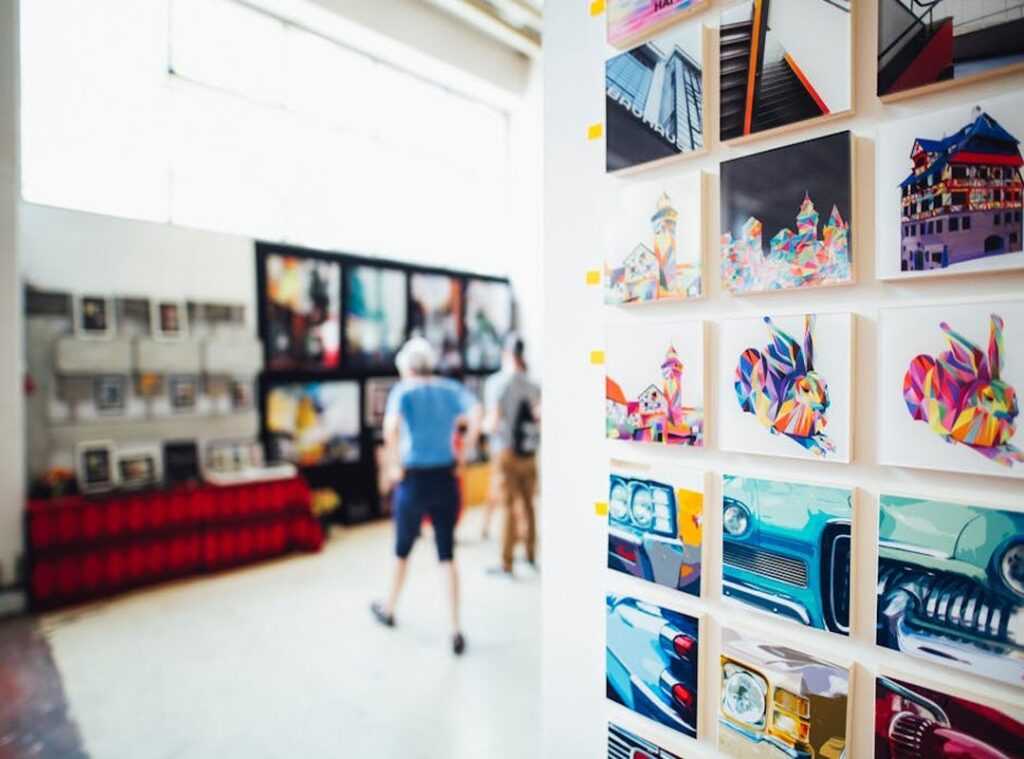
You’re standing in a quiet Arcachon gallery.
That painting stopped you cold.
Then you saw the price tag.
Your stomach dropped.
Why Do Paintings Sell for so Much Arcachdir. That’s what you whispered to yourself.
I’ve heard it a hundred times. From tourists, locals, even artists who don’t get it.
This isn’t just supply and demand. It’s not about New York or Paris rules.
Arcachon has its own rhythm. Its own history. Its own kind of light.
I’ve spent years talking to gallerists, collectors, and painters here. Not just reading reports (showing) up. Asking hard questions.
Watching sales happen in real time.
You’ll walk away knowing exactly which forces push prices up (and) which ones slowly hold them back.
No fluff. No jargon. Just the real reasons.
The Unmistakable ‘Light of the Basin’: An Artist’s Muse
I’ve stood on the Dune du Pilat at 7 a.m. Sand still cool. Light flat and gold, bouncing off the Bassin d’Arcachon like it’s made of liquid foil.
That light doesn’t exist anywhere else. Not in Provence. Not on the Côte d’Azur.
Here, it hits the Banc d’Arguin’s shallow flats, glints off oyster barges, slides under the stilts of cabanes tchanquées, and pools in the marsh grass.
Painters have chased it for over a century. Monet never came. But others did.
And they kept coming back.
Why? Because this light changes the color of water. It turns gray sky into lavender.
It makes wet sand glow like tarnished silver.
That’s why artists who nail it sell work fast.
Why Do Paintings Sell for so Much Arcachdir isn’t just a question. It’s a market signal.
People buy Arcachdir art because they own a house there. Or they rent one every August. Or they remember their grandfather shucking oysters in Gujan-Mestras.
It’s not about “pretty.” It’s about recognition. A gut-level yes (that’s) my basin.
Most painters fail here. They paint the dune, but miss how the light bends around it. They copy the cabane, but ignore the way shadows stretch across tidal mud at low tide.
I’ve seen galleries price the same-sized canvas three times higher if it captures the light just right at Cap Ferret.
Location isn’t background. It’s the subject’s spine.
And spine matters.
You don’t need fancy brushes. You need to watch the basin breathe.
Pro tip: Go at dawn. Bring coffee. Don’t paint for two hours.
Just look. The light tells you what to do next.
Arcachon’s Money Problem: Why Art Costs What It Does
I’ve watched people pay €42,000 for a small oil painting here. Not at a Paris auction. In a white-walled gallery off the port in Arcachon.
That’s not random. It’s arithmetic.
Arcachon and Cap Ferret aren’t just pretty. They’re packed with second-home owners. French executives, retired diplomats, German CEOs, British retirees with pensions that actually stretch.
One study found over 68% of homes in Cap Ferret are owned by people who live elsewhere (INSEE, 2022).
They don’t shop for bargains. They shop for presence.
Which brings us to status signaling (the) quiet engine behind half the sales in this region.
You walk into a villa on the Dune du Pilat and see three original works hanging above the fireplace. You don’t ask “Who painted that?” You ask “How much did that cost?” Because in this zip code, the answer tells you more about the owner than their LinkedIn profile ever could.
Art here isn’t decoration. It’s collateral. A liquid asset you can hang in your guest bedroom and still borrow against at BNP Paribas.
Why Do Paintings Sell for so Much Arcachdir? Because there are 3,200 households within 15 minutes of town that can write a check without checking their balance first.
Galleries know this. Artists know this. And no one lowers prices just to fill wall space.
Pro tip: If you’re pricing your own work for this market, skip the “affordable original” label. It reads as apology, not invitation.
The buyer isn’t asking “Is it good?”
They’re asking “Is it rare enough to talk about at dinner?”
And if the answer is yes (the) price tag doesn’t matter.
It’s just paperwork.
Arcachon Bay: Not Just Pretty Light
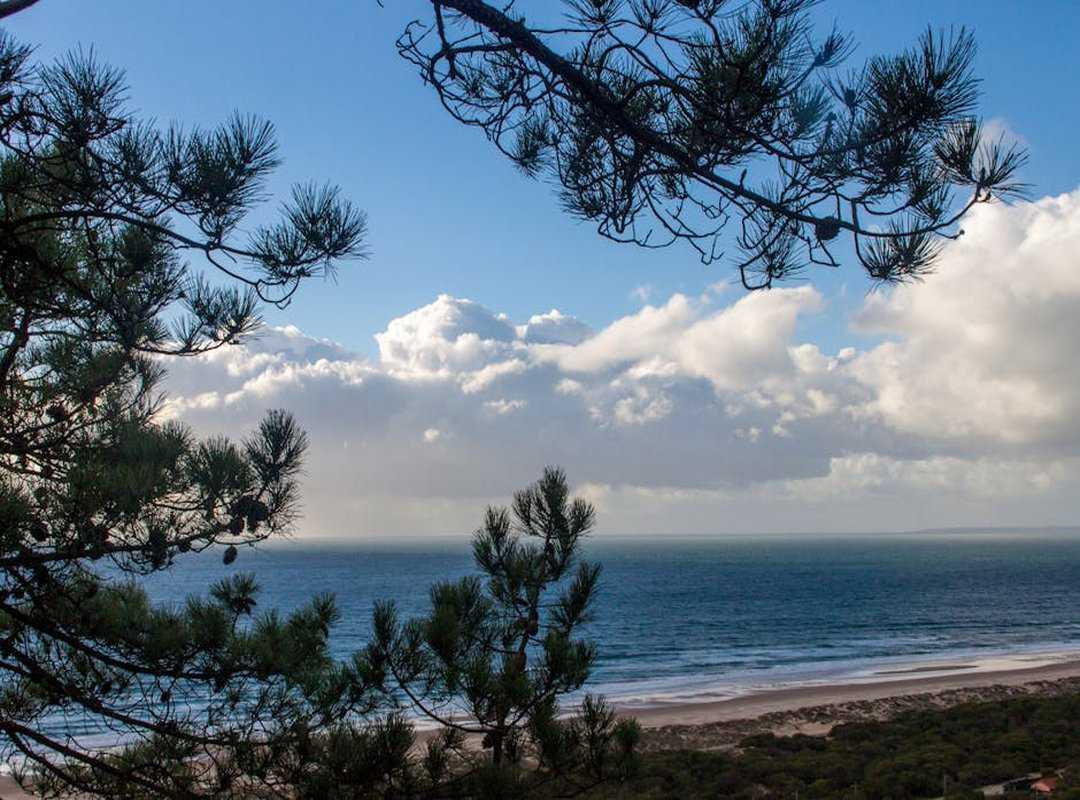
I stood on the jetty at low tide last October and watched a painter set up her easel right where Courbet sketched in 1869.
That’s not trivia. That’s weight.
Courbet came here. So did Sisley. And later, a whole quiet wave of post-impressionists who treated the bay like a living palette (salt) air, shifting light, oyster beds at dawn.
This isn’t just “scenic.” It’s proven.
You don’t get that kind of repeat traffic from serious artists unless something real is happening in the light, the water, the way the pines lean into the wind.
I covered this topic over in Arcachdir Exhibition Paintings by Arcyart.
So when someone asks Why Do Paintings Sell for so Much Arcachdir, they’re really asking about lineage (not) just pigment and canvas.
Arcachon Bay built a reputation before Instagram existed. Before “content” was a verb.
Contemporary artists working there now aren’t starting from zero. They’re stepping into a conversation that’s over 150 years old.
Their work gets read differently. Not as isolated objects. But as continuations.
Like buying wine from Pauillac (you’re) not just tasting grapes. You’re tasting soil, climate, and decades of decisions.
Same with art from this place.
The location doesn’t guarantee quality. But it does guarantee context.
And context sells.
Arcachdir Exhibition Paintings by Arcyart shows exactly how that legacy lands today.
Some pieces feel like direct replies to Courbet’s sketches. Others argue with them.
That tension? That’s the value.
Not every painting from Arcachon is worth thousands. But the ones that engage the history. Honestly, sharply.
They land harder.
Pro tip: Look at the date the artist first showed here. If it’s before 2015, they’ve likely absorbed more of the local rhythm than they let on.
Tourist spots don’t produce this kind of continuity.
Gallery Curation and Scarcity: Who Decides What’s Worth $12,000?
I walk into a gallery in Arcachon and see one painting priced like a used car.
It’s not random. That price tag comes from curation. Not just hanging art on a wall.
Galleries here are gatekeepers, not shops. They pick artists. They vet them.
They bet years on their growth.
You don’t get a solo show unless they believe in your voice and your trajectory. (Which means no Instagram fame alone.)
That selection creates trust. Buyers assume: if this gallery chose it, it’s serious. It’s lasting.
It’s not just decorative.
Scarcity isn’t an accident. It’s baked in.
Limited editions. Slow production. One original per year (maybe) two.
Demand stays high. Supply stays low. Math kicks in.
Why Do Paintings Sell for so Much Arcachdir? Because someone decided this artist matters (and) then made sure you couldn’t buy ten of them.
That control shapes value faster than any auction house.
Want to see how that plays out in real time? Check Arcachdir.
Arcachon Art Isn’t Expensive (It’s) Explained
You saw the price tag. You flinched. I did too (the) first time.
Why Do Paintings Sell for so Much Arcachdir? It’s not greed. It’s light.
That specific coastal light. The moneyed buyers who want that light on their walls. The century-old studios still operating in the same buildings.
The galleries that control access like gatekeepers.
This isn’t random. It’s place. It’s history.
It’s economics you can feel.
Next time you walk into a gallery in Arcachon, stop before you check the label.
Look at the brushwork. Notice the color of the water in the painting. Ask yourself: *What made this artist stay here?
Who bought the last one?*
You came for answers. You got them.
Now go look again. But slower.
Visit three galleries this trip. Stand in front of one piece for two full minutes. See what changes.